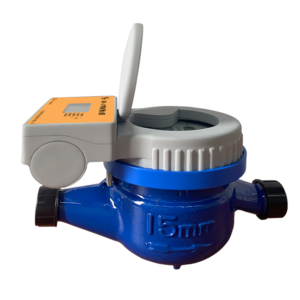
What Is an Electric Control Valve? How It Works and Its Practical Applications
What Is an Electric Control Valve?
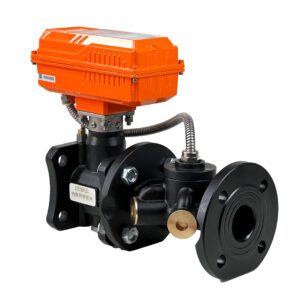
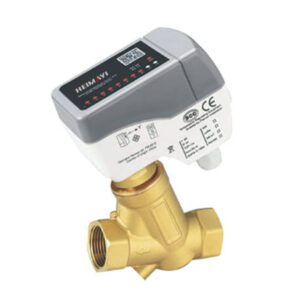
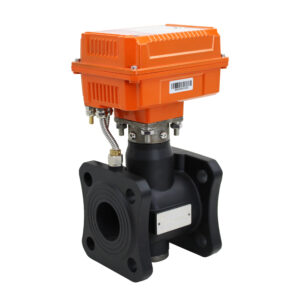
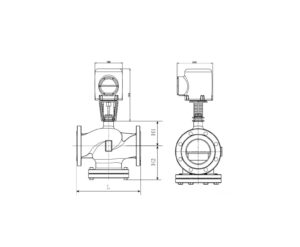
Basic Structure
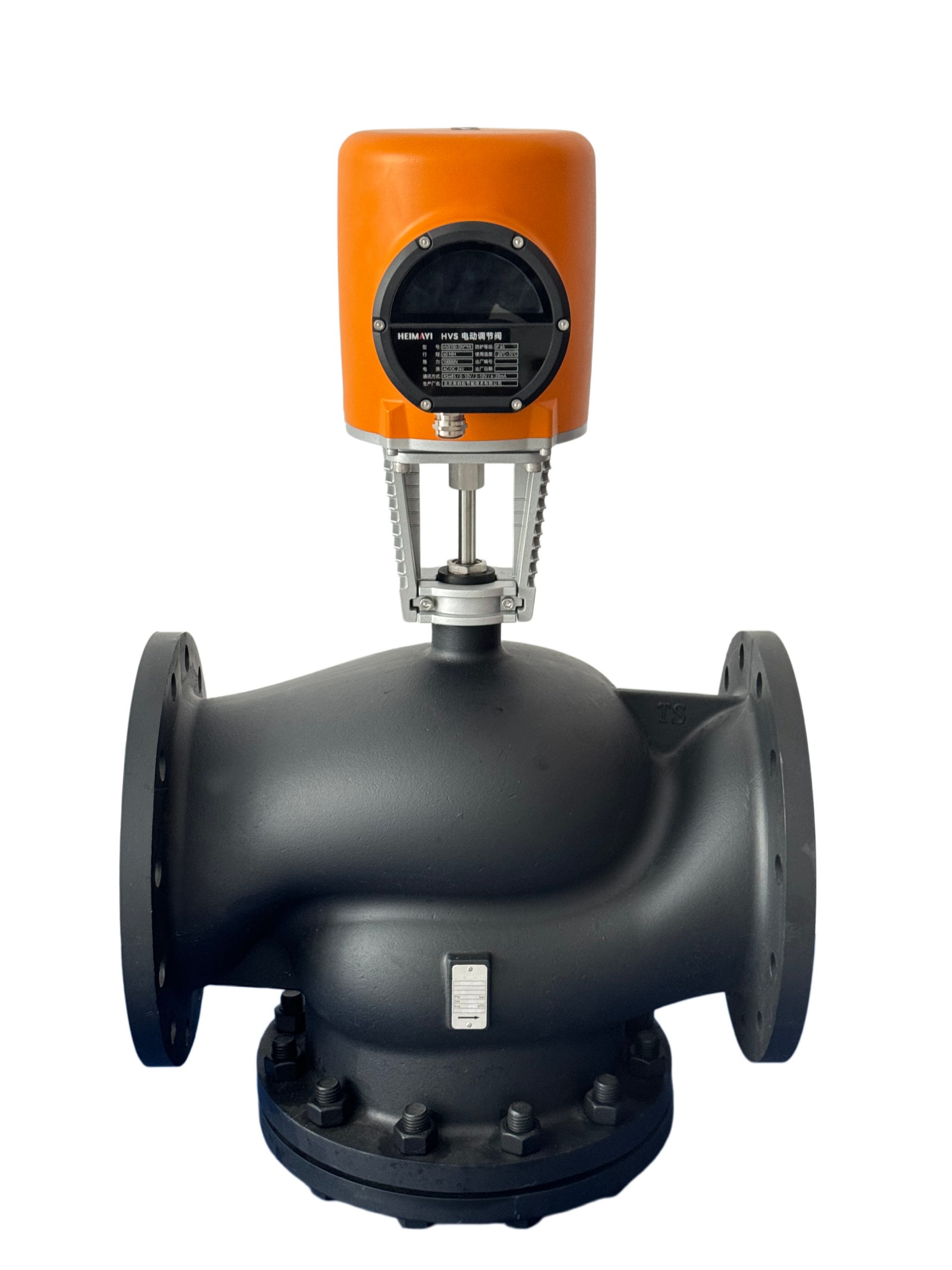
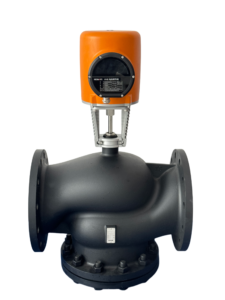
An electric control valve consists of two main components:
🔹 Electric Actuator
- Receives control signals (4–20mA, RS485, Modbus, etc.)
- Controls the opening, closing, or modulation of the valve
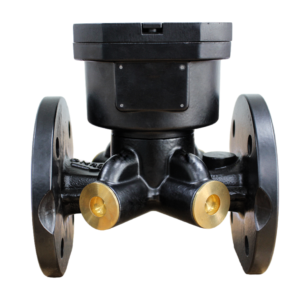
🔹 Valve Body
- Made from ductile iron, cast steel, or stainless steel
- Includes the valve stem, valve disc, and sealing components
In addition, the valve may also include supporting components such as:
- Stepper motor
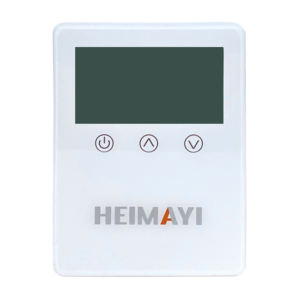
- Display unit
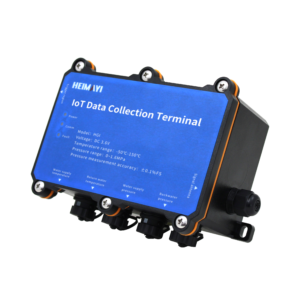
- Signal transmission system
Working Principle
An electric control valve operates based on electrical signals from the control system.
When receiving a signal:
- The actuator rotates or linearly moves the valve stem
- The valve opening position changes
- The flow rate is adjusted according to system requirements
In addition, the valve also supports linear/proportional control modes, providing flexibility to match different fluid characteristics and control curves.
This mechanism enables the valve to respond quickly and maintain precise control in automation systems.
The main advantages of this type of valve include:
- Continuous regulation, not just open/close operation
- High control accuracy
- Fast response time
Why Are Many Systems Switching to Electric Control Valves?
Compared with traditional mechanical valves, electric control valves offer several noticeable advantages:
- High-precision flow regulation
- Stable operation in harsh environments
- Support for multiple control signals
- High sealing performance with minimal leakage
- Long service life with low maintenance requirements
- Easy integration into automation systems
Especially in factories and large-scale systems, the use of electric control valves has become almost essential.
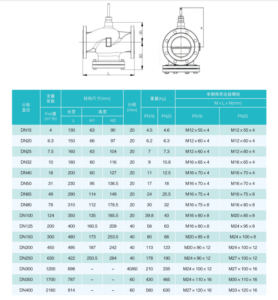
Common Technical Specifications
Depending on the product series, some common specifications include:
- Size: DN15 – DN300
- Pressure rating: PN16, PN25
- Working temperature: from -20°C up to approximately 280°C
- Connection type: flanged
- Control signals: 4–20mA, RS485, Modbus
👉 If you would like to view detailed specifications for specific models, you can refer to: HVS Electric Control Valve – Globe Valve
Practical Applications
Electric control valves are widely used in systems such as:
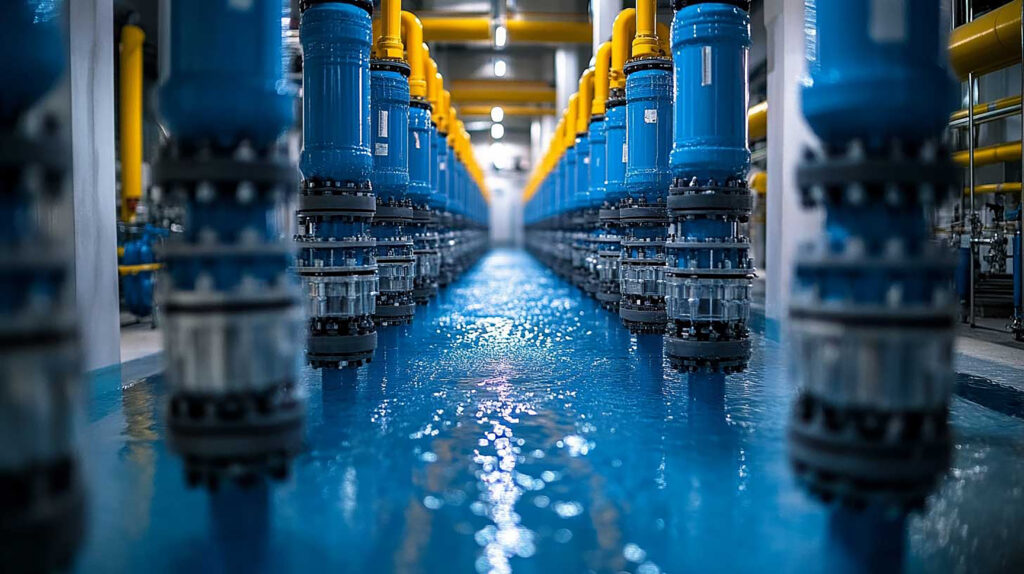
- Water treatment: regulating inlet and outlet water flow
- HVAC systems: air conditioning and chilled water systems
- Industrial plants: controlling chemical and steam flow
- Energy industry: thermal power systems
In general, wherever precise flow control is required, this type of valve can be applied.



A Popular Product Line: HVS Electric Control Valve
There are many different brands and models available on the market today. Among them, the HVS electric control valve series is widely used thanks to its stable performance and ability to operate reliably in industrial environments.
When Should You Use an Electric Control Valve?
You should consider using this type of valve if:
- Precise flow control is required
- The system is automated
- You want to reduce dependence on manual operation
- Long-term stable operation is needed