Giải pháp HỆ THỐNG CẤP NƯỚC THÔNG MINH
Background: Smart Water Supply System
For a long time, the water supply industry has faced many operational challenges. Most water utilities still rely on traditional manual meter reading methods, where water consumption is recorded once every one or two months, or even less frequently. In cases of severe weather conditions that make meter reading inconvenient, water usage is often estimated based on customers’ historical consumption, which can easily lead to disputes between water suppliers and users.At the same time, due to the long management cycle of pipeline networks, illegal water usage is more likely to occur. Every year, factors such as pipeline leakage, metering losses, unauthorized water usage, and water theft result in high non-revenue water losses, directly affecting the economic efficiency of water supply companies.To address these issues, many water utilities have implemented various countermeasures. However, because of the large service areas, high labor supervision costs, delayed management responses, and other operational challenges, controlling water loss remains difficult, with non-revenue water rates often exceeding 20%.Water meters serve as the primary basis for billing and settlement between water suppliers and customers. Once equipment failures or manual data recording errors occur, losses may be caused to either customers or water utilities, while also increasing disputes and the cost of handling complaints.Therefore, smart water meters are becoming increasingly favored by water supply companies.
System Architecture Overviewa
The smart water meter system based on NB-IoT/4G is built on a three-layer architecture consisting of the terminal device layer, network layer, and cloud platform management layer. By integrating technologies such as the Internet of Things (IoT), cloud computing, and big data, the system creates a unified architecture capable of meeting future development requirements.
1. Terminal Device Layer
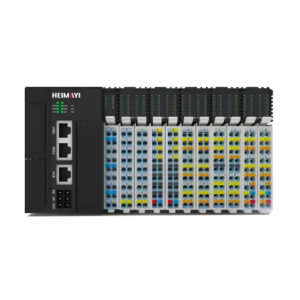
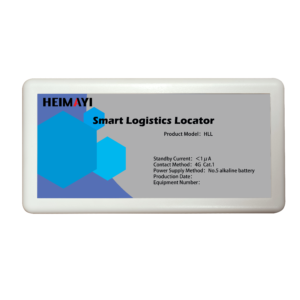
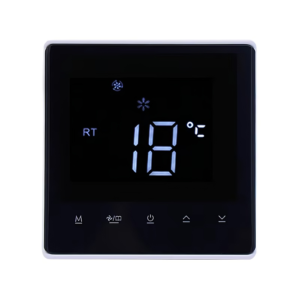
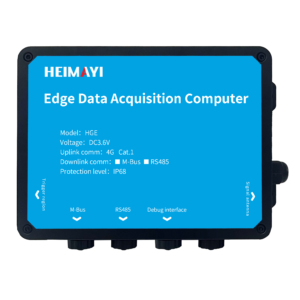
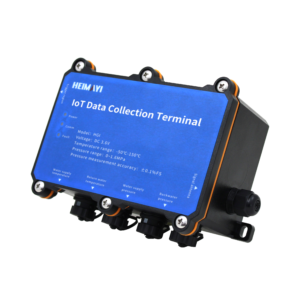
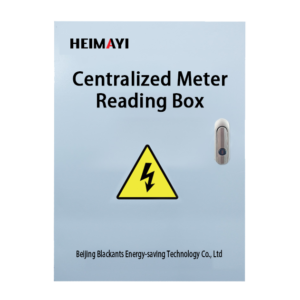
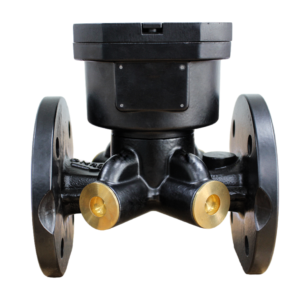
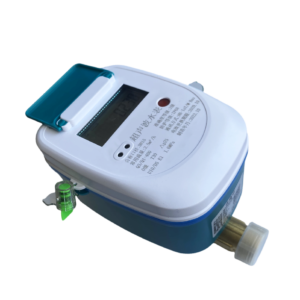
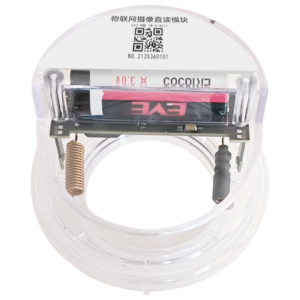
The terminal device layer consists of numerous NB-IoT/4G terminal devices. Each terminal integrates a standard NB-IoT/4G communication module, enabling connection to base stations through wireless air interfaces.
Terminal devices form the fundamental infrastructure of the Internet of Things. By integrating additional sensors for:
- Water quality monitoring
- Water pressure monitoring
- Flow monitoring
- Other related applications
the NB-IoT/4G communication module enables the devices to achieve remote control, management, and interactive communication capabilities.
Một: Lớp thiết bị đầu cuối
- Lớp thiết bị đầu cuối được cấu thành bởi vô số thiết bị đầu cuối NB-IoT/4G, mỗi thiết bị đầu cuối bên trong tích hợp mô-đun tiêu chuẩn NB-IoT/4G, có thể thông qua giao diện không khí kết nối đến trạm gốc. Thiết bị đầu cuối là nền tảng cơ sở của Internet of Things, thông qua việc tăng thêm các cảm biến dùng để giám sát chất lượng nước, giám sát áp suất nước, giám sát lưu lượng, v.v., mô-đun truyền thông NB-IoT/4G khiến thiết bị đầu cuối có thể kiểm soát, quản lý, tương tác
2. Network Layer
The network layer is based on the telecom operator’s base station infrastructure. Through authorized communication channels, it enables data interaction between IoT devices and the cloud platform.
Hai: Lớp mạng
- Lớp mạng dựa trên trạm gốc của nhà khai thác, thông qua kênh được ủy quyền để thực hiện tương tác dữ liệu với thiết bị Internet of Things
3. Cloud Platform Management Layer
The cloud platform management layer consists of gateway servers, data servers, application servers, and cloud platform management software. It serves as the upper-level control core of the IoT business system.
1 Gateway Server : Through unified protocols and interfaces, the gateway server enables access and integration of various terminal devices. It collects data and command information from different access networks, classifies the data, and forwards it to the data server. At the same time, real-time command information is transmitted to the application server. This architecture ensures that even during large-scale data accumulation, real-time commands can still be processed rapidly while supporting simultaneous communication for millions of devices.
.2 Data Server The data server aggregates IoT data collected from the gateway server and stores it systematically, enabling faster access and retrieval by the application server.
3 Application Server :The application server acts as the final aggregation point for IoT data and serves as the upper-level control core of IoT operations.It performs data processing according to customer requirements and obtains device-layer data through the gateway server and data server. The application server also provides unified management for water industry devices such as:
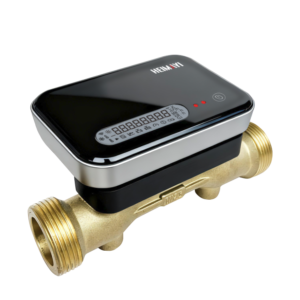
- Smart water meters
- Flow meters
- Other monitoring instruments
4 Cloud Platform Management Software :The cloud platform management software enables interaction between device data and user requirements. It is available in both PC and mobile versions, and its functions can be customized according to actual user needs.