Product Overview
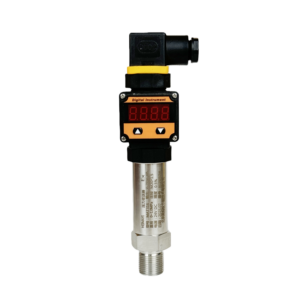
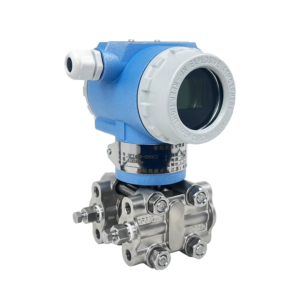
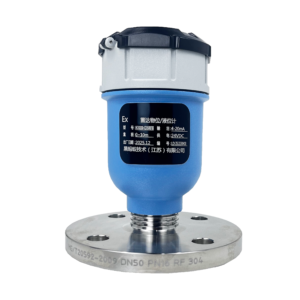
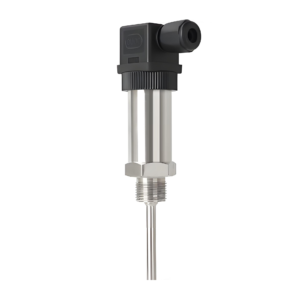
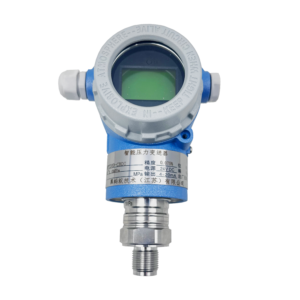
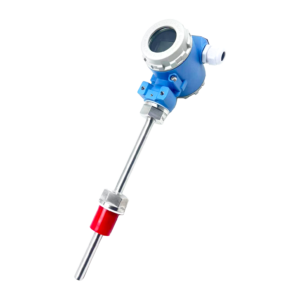
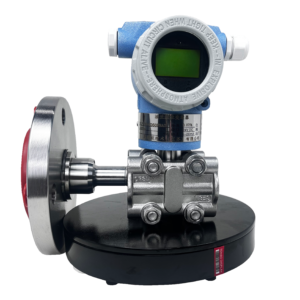
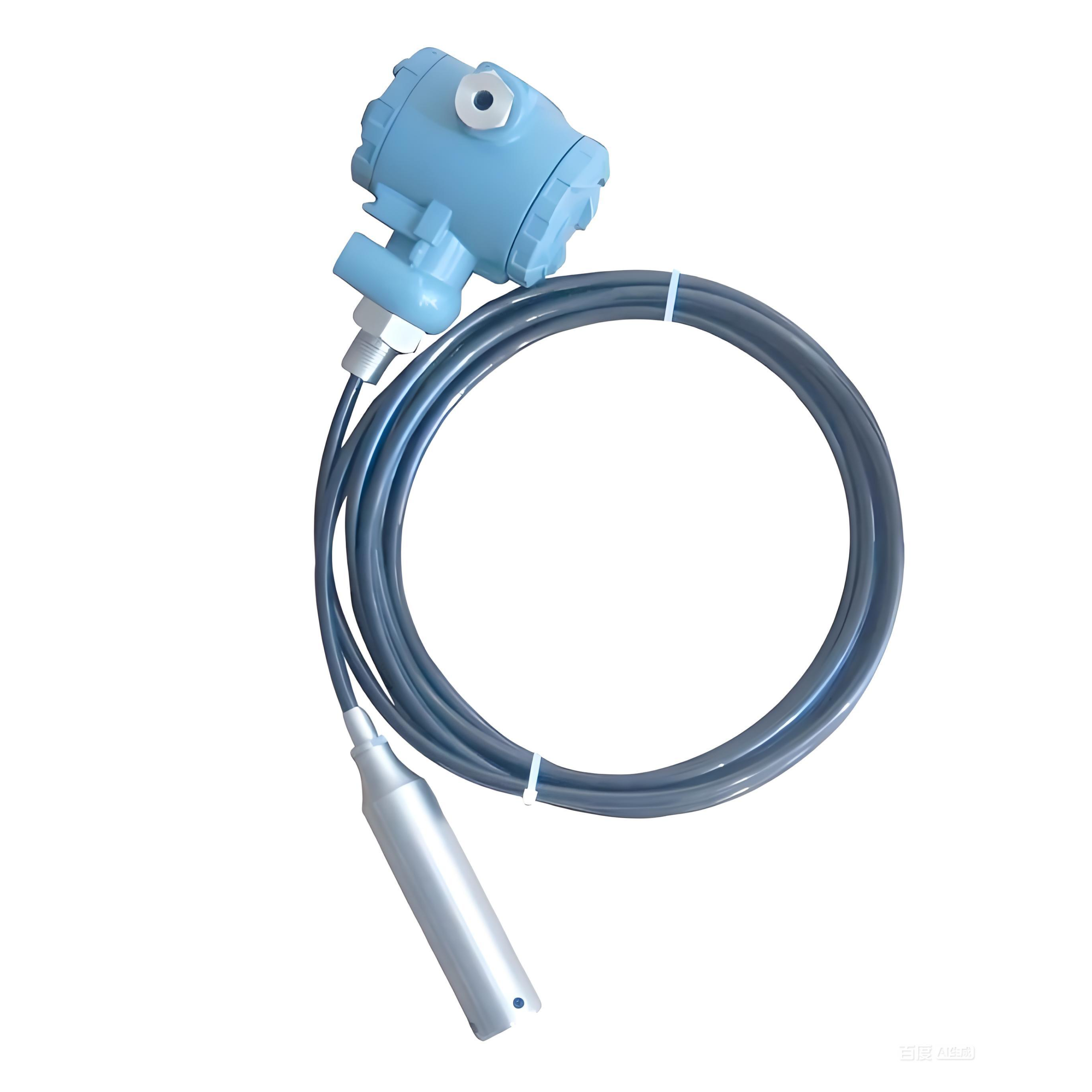
The HLP Submersible Level Transmitter Series (also known as a hydrostatic pressure level transmitter) is a liquid level measurement device based on the principle that hydrostatic pressure is proportional to liquid height. By directly submerging the probe into the measured medium, the device monitors real-time static pressure and converts it into a standard electrical output signal, enabling continuous level monitoring and remote control. It is an essential device in industrial automation and process control systems.
Product Features & Advantages
- Submersible design, easy installation: The probe can be directly immersed into the liquid without complex installation. Suitable for tanks, reservoirs, rivers, and wells, especially large-diameter tanks and deep-well applications.
- High-precision sensing: Uses diffused silicon isolated sensors or ceramic capacitive sensors, achieving accuracy up to ±0.1% FS, meeting high-precision industrial automation requirements.
- Automatic temperature compensation: Built-in temperature sensor automatically corrects density variations caused by temperature changes, ensuring accurate measurement in environments from -40°C to 125°C.
- Corrosion-resistant & explosion-proof design: Optional materials such as 316L stainless steel and PVDF. Supports Ex d IIC T6 explosion-proof design, suitable for hazardous environments such as chemical and oil & gas industries.
- Solid-state structure, high durability: No moving parts, vibration-resistant and impact-resistant, ensuring long service life.
- Multiple output signals: Supports standard outputs such as 4–20mA, 0–5V, 0–10V, RS485, easy integration with PLC and DCS control systems.
- 4G wireless communication: Supports 4G wireless transmission, eliminating the need for control cabinets or data acquisition modules, enabling direct connection to cloud monitoring platforms.
- Comprehensive protection: Equipped with reverse polarity protection, overcurrent/overvoltage protection, and EMI shielding for stable operation.
Technical Specifications
 |
 |
 |
|
|
|
|
 |
 |
 |
|
|
|
|